Avatar: Fire and Ash (2025): more of the same [ENG|ESP]


Three years ago, when the release of the second installment of this franchise was announced, the movie theaters in my city also re-released the first one, which I hadn't seen since its 2009 premiere. Since it wasn't that fresh in my mind, I went to the theater to see Avatar first, and then Avatar: The Way of Water. Back then, fans had to wait more than a decade for the sequel to the original story. In this case the wait was only three years, but was it worth it?
Hace tres años, cuando se anunció el estreno de la segunda parte de esta franquicia, las salas de cine de mi ciudad volvieron a estrenar también la primera, que no veía casi desde su estreno en 2009 y como no la tenía tan fresca en la memoria fui al cine a ver primero Avatar y despúes Avatar: The Way of Water. Entonces, los fanáticos tuvieron que esperar más de una década para conocer la secuela de la historia original; en este caso la espera fue de apenas tres años, pero ¿valió la pena?
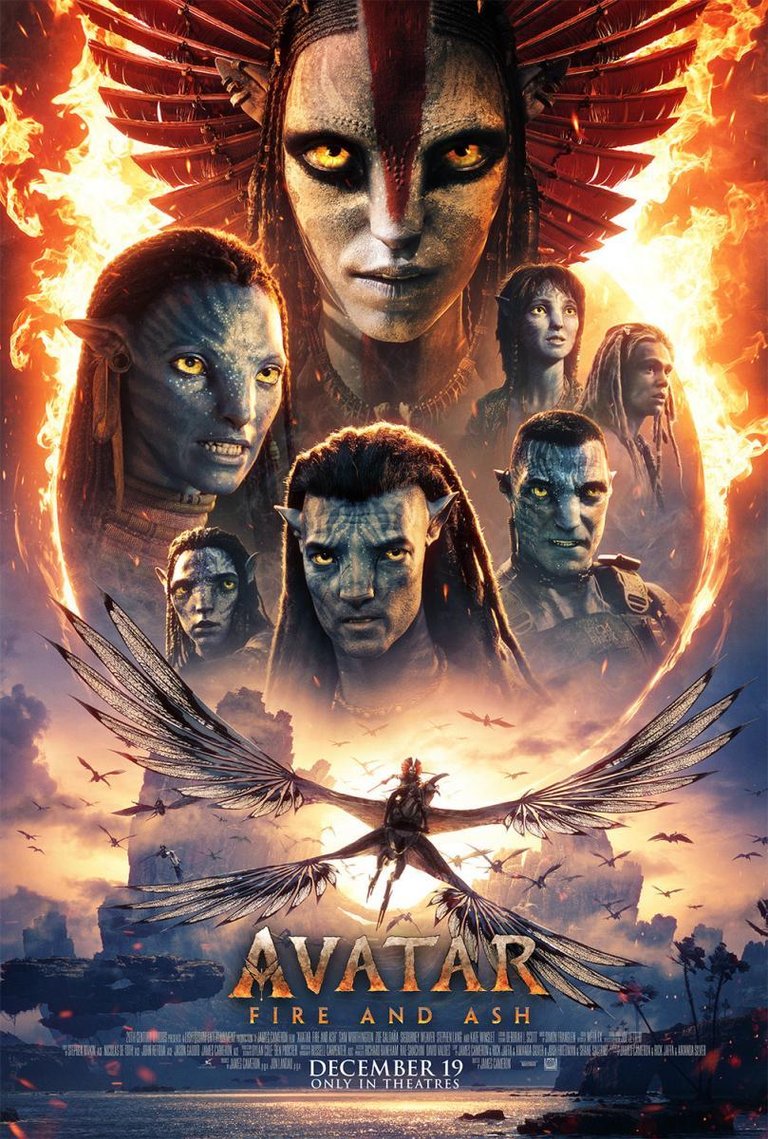
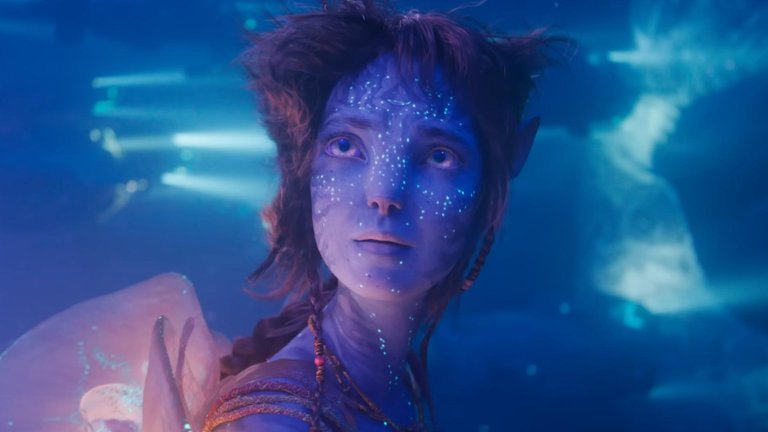
Avatar: Fire and Ash begins where the second installment left off, with the Sully family settled among the Metkayina, the clan that lives in the ocean and whom we met in the previous film. Grieving the loss of Neteyam, each family member mourns in their own way. Neytiri grieves with prayers, faith, and a growing hatred for the sky people, her son's killers; Jake doesn't cry. His way of coping is to keep busy and find ways to protect his family and the village that welcomed them with open arms. Lo'ak, the most rebellious of the clan, must grapple with the fact that his brother Tulkun, a Payakan (a whale-like creature from the planet Pandora), is considered an outlaw by the elders. Kiri is going through an identity crisis because she knows she has a connection to Eywa (the spirit that dwells in all creatures of the planet), but she can't understand why and can't communicate with her. And finally, Tuk, the youngest, who basically does nothing but get captured and rescued several times in this film and the previous one. Within this context, several situations arise that will develop the film's plot. First, Neytiri's rejection of Spider, who, although raised with her children as a Na'vi, is a human, the son of Colonel Quaritch, whom she wants to take into her life. Then we have the visit to the ocean village of some flying traders which serves, in addition to showing a great display of visual effects, to introduce the Mangkwan, a violent and plundering Na'vi tribe that doesn't believe in Eywa and who fly commanded by their tsahik, the powerful Varang played by Oona Chaplin, granddaughter of the famous filmmaker.
Avatar: Fire and Ash inicia en donde terminó la segunda entrega, con los Sully instalados con los Metkayina, el clan que vive en el océano y que conocimos en la película anterior. Heridos por la muerte de Neteyam, cada miembro de la familia lleva el luto a su manera. Neytiri con oraciones, fe y un odio creciente hacia las personas del cielo, los asesinos de su hijo; Jake no llora. Su forma de lidiar con el dolor es mantenerse ocupado y buscar la forma de proteger su familia y esa aldea que los recibió con los brazos abiertos. Lo'ak, el más rebelde del clan, debe lidiar con el hecho de que su hermano Tulkun, Payakan (esa especie de ballena del planeta Pandora) sea considerado un proscrito por decisión de los ancianos. Kiri atraviesa una crisis de identidad porque sabe que tiene una conexión con Eywa (el espíritu que mora en todas las criaturas del planeta), pero no logra entender por qué y no logra conversar con ella. Y finalmente Tuk, la más pequeña, que básicamente no hace más que ser capturada y rescatada varias veces en esta película y la anterior. En ese marco se presentan varias situaciones que irán desarrollando la trama de la película. Primero, el rechazo de Neytiri hacia Spider quien, aunque criado con sus hijos como un Na'vi, es un humano, hijo del Coronel Quaritch, quien lo quiere llevar a su lado. Luego tenemos la visita a la aldea oceánica de unos comerciantes voladores que sirven, además de para mostrar un gran despliegue de efectos visuales, para introducir a los Mangkwan, una tribu Na'vi violenta y saqueadora que no cree en Eywa y que vuelan comandados por su tsahik, la poderosa Varang interpretada por Oona Chaplin, nieta del famoso cineasta.
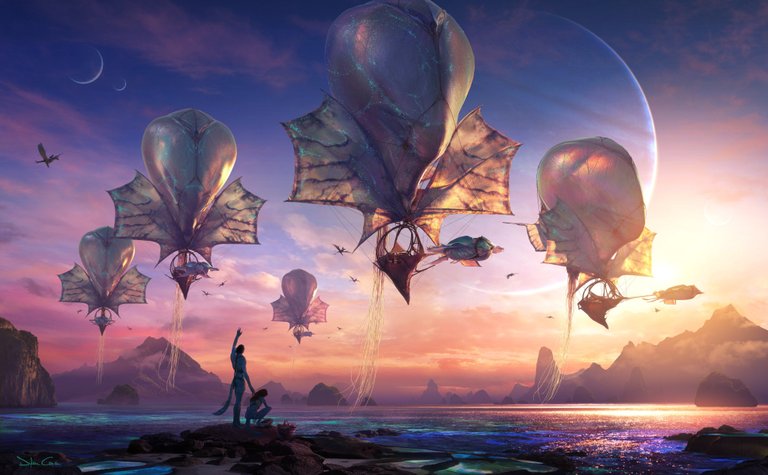
First, let's call it what it is: Avatar is, first and foremost, a cinematic experience. It's one of those films designed for the big screen, for IMAX theaters, to be enjoyed with vibrant colors and stunning visuals while eating popcorn in a theater with surround sound. Watching these kinds of movies at home simply doesn't make sense. It's not often that projects like this are released, where the majority of the budget is concentrated on visual effects that far surpass those seen on screen in recent action films or superhero franchises. This is a great opportunity to stimulate your senses in a movie theater.
Primero, digamos las cosas como son: Avatar es, ante todo, una experiencia cinematográfica. Es una de esas películas que están pensadas para el cine, las pantallas IMAX, para disfrutar sus colores y secuencias comiendo palomitas en una sala con sonido envolvente. No tiene sentido ver estas películas en casa. No es muy frecuente que se presenten proyectos como estos en los que la mayor parte del presupuesto está concentrado en unos efectos visuales que superan, por mucho, los mostrados en pantalla por las películas de acción o franquicias de superhéroes de los últimos años. Esta es una buena oportunidad para estimular los sentidos en una sala de cine.
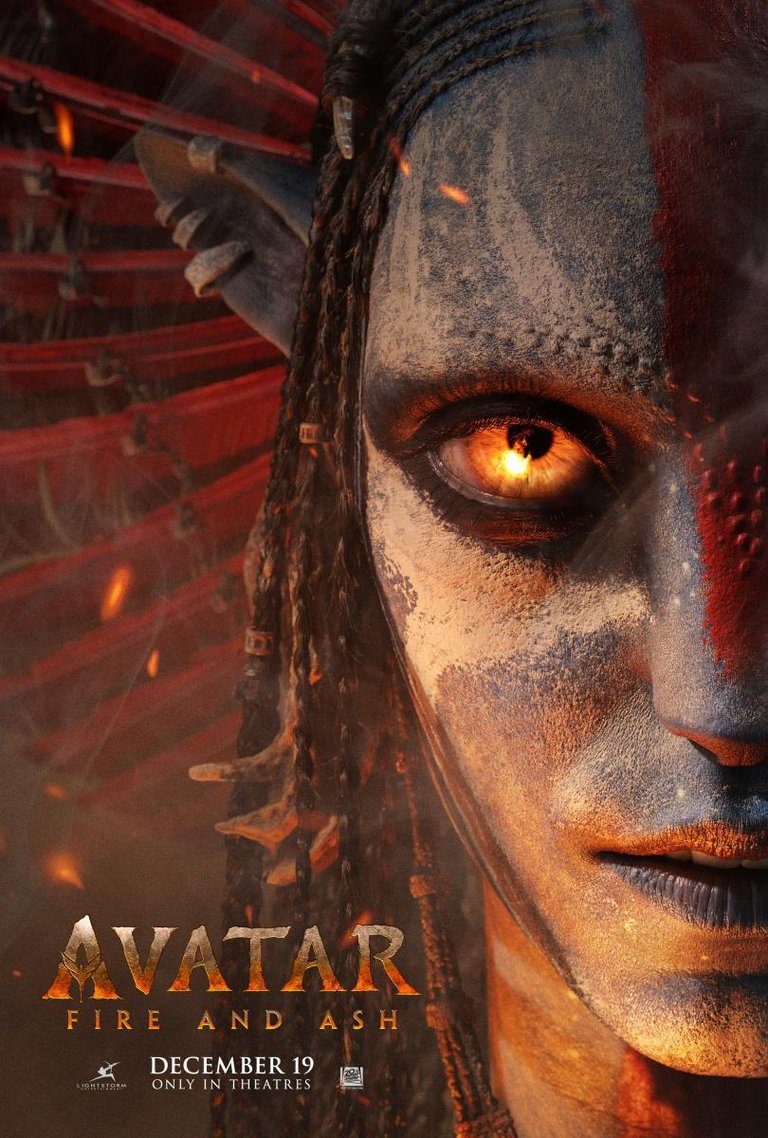
That said, it's equally true that this film—and by extension, the franchise—suffers from a weak, predictable, and repetitive narrative. At times, you not only feel like you're watching the previous two installments again, but within the same film, there are sequences that, after 30 or 40 minutes, return the plot to its starting point. The attempt to keep Quaritch alive and create a Javert-Jean-Valjean dynamic with him and Sully becomes tiresome; the constant kidnappings and rescues the protagonists must carry out also grow a bit tedious because they don't seem to learn from their experiences. Other things, like the Tulkun hunt, the underwater scenes, and the aerial battles, are visually striking, but there's no longer any novelty or surprise in elements familiar to the viewers. It was one thing to see Toruk Makto at the end of the first film, and quite another to see him reappear for the third time and feel little excitement about it. I find it curious that despite all these narrative flaws, and despite understanding that the film's runtime is excessive based on what it tells, Avatar: Fire and Ash didn't feel as tedious to me as Avatar: The Way of Water. There was something about that second installment that made me feel physically weary at times, wishing the story, or some sequence, would move faster because it felt endless. I didn't have that feeling with this third part, so at least I'm left with the impression that this film is quite entertaining despite its 197 minutes.

Dicho eso, no es menos cierto que esta película - y por extensión, la franquicia - adolece de una narrativa floja, predecible y repetitiva. Por momentos no sólo sientes que estás viendo otra vez las dos entregas anteriores sino que dentro de la misma película hay secuencias que después de 30 o 40 minutos devuelven la trama al mismo punto de partida. El hecho de mantener vivo a Quaritch y hacer con él y con Sully un intento de dinámica Javert-Jean-Valjean se vuelve cansina; los constantes secuestros y rescates que deben realizar los protagonistas también aburren un poco porque parecen no aprender de lo vivido. Otras cosas como la caza de los Tulkun, las escenas submarinas, las batallas aéreas, son visualmente llamativas, pero ya no hay novedad ni sorpresa en elementos conocidos para los espectadores. Una cosa era ver al Toruk Makto al final de la primera película y otra es verlo reaparecer por tercera vez y sentirse poco emocionado al respecto. Encuentro curioso que a pesar de todos estos defectos en la narración y a pesar de entender que el metraje de la película se excede de lo necesario si nos basamos en lo que cuenta, Avatar: Fire And Ash no se me hizo tan tediosa como Avatar: The Way of Water. Algo hubo en esa segunda entrega que en algún momento sentí cansancio en el cuerpo y deseos de que la historia, o alguna secuencia, avanzara más rápido porque se sentía eterna. En esta tercera parte no tuve esa sensación, así que al menos me queda la impresión de que esta cinta es bastante entretenida a pesar de sus 197 minutos.

Finally, and to be fair, not everything in the film is bad, of course. It might seem strange to talk about acting in Avatar, but let's remember that motion capture technology is used, so the gestures and actions performed by the characters are interpreted by the actors and actresses, among whom Zoe Saldana once again stands out as Neytiri (although I didn't like a couple of things about the character in this third installment), who has found a nemesis, a character of equal strength, brilliantly portrayed by Oona Chaplin.
Finalmente y siendo justos con la verdad, no todo es malo en la película, por supuesto. Puede resultar extraño hablar de actuaciones en Avatar, pero recordemos que se utiliza la tecnología de captura de movimiento, así que los gestos y las acciones ejecutadas por los personajes son interpretadas por los actores y las actrices, de quienes destaca una vez más Zoe Saldana como Neytiri (aunque un par de cosas del personaje como tal no me gustaron en esta tercera parte), quien ha encontrado una némesis, un personaje de igual fuerza, interpretado con brillantez por Oona Chaplin.

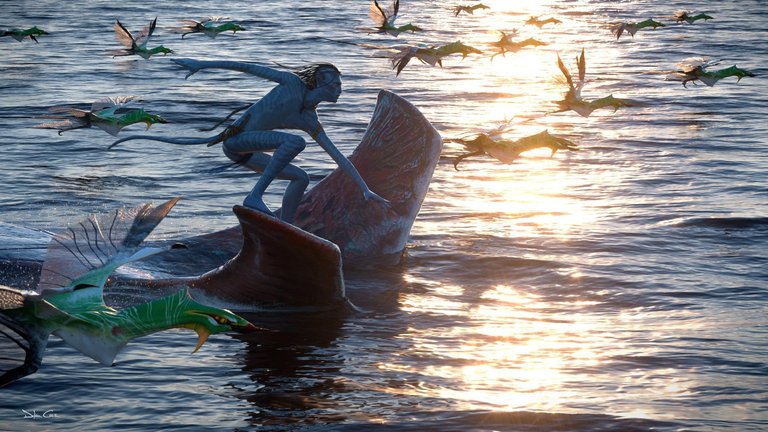
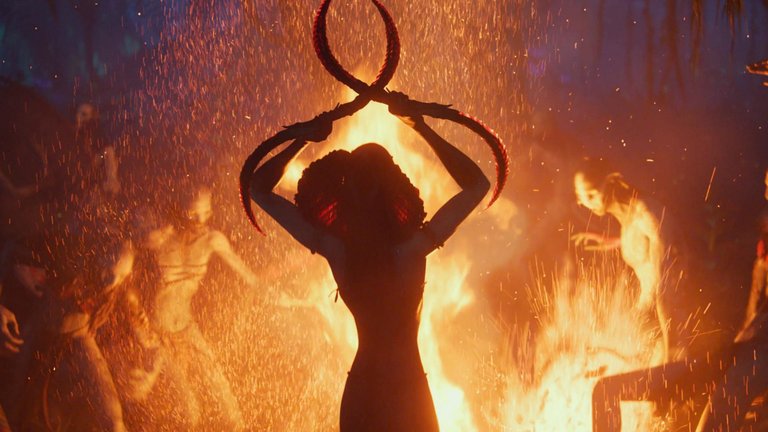
Varang is the tsahik of the Mangkwan, their spiritual and military leader. She is a character who commands attention and tension in the plot. Without her, this third installment would be truly unbearable. The character's visual design is very well done, and her movements, gestures, and personality perfectly reflect her love of fire, her rejection of Eywa, and her ambition for power. Amidst a repetitive plot and scenes we've seen before in this and other franchises (a Mangkwan attack reminded me of the War Boys' sacrifice in Mad Max), Oona Chaplin as Varang is a stimulating presence—not fresh or innovative, but the most interesting aspect of a film that didn't show me everything I would have liked to see of Kiri, my favorite character in the franchise. Despite being heavily criticized, Avatar: Fire and Ash has already grossed nearly six hundred million dollars worldwide, and the Avatar trilogy has become the highest-grossing film trilogy in history with over 5.6 billion dollars, surpassing Star Wars and Spider-Man (Tom Holland version). So, in any case, we're talking about a milestone in film history. For an unprecedented visual experience that will be difficult to replicate in the near future, you can certainly trust Mr. James Cameron, who plans to make two more of these films, provided they gross enough money, of course, and he seems to be on track. How many of you have already seen all three Avatar: Fire and Ash films? Let me know in the comments.
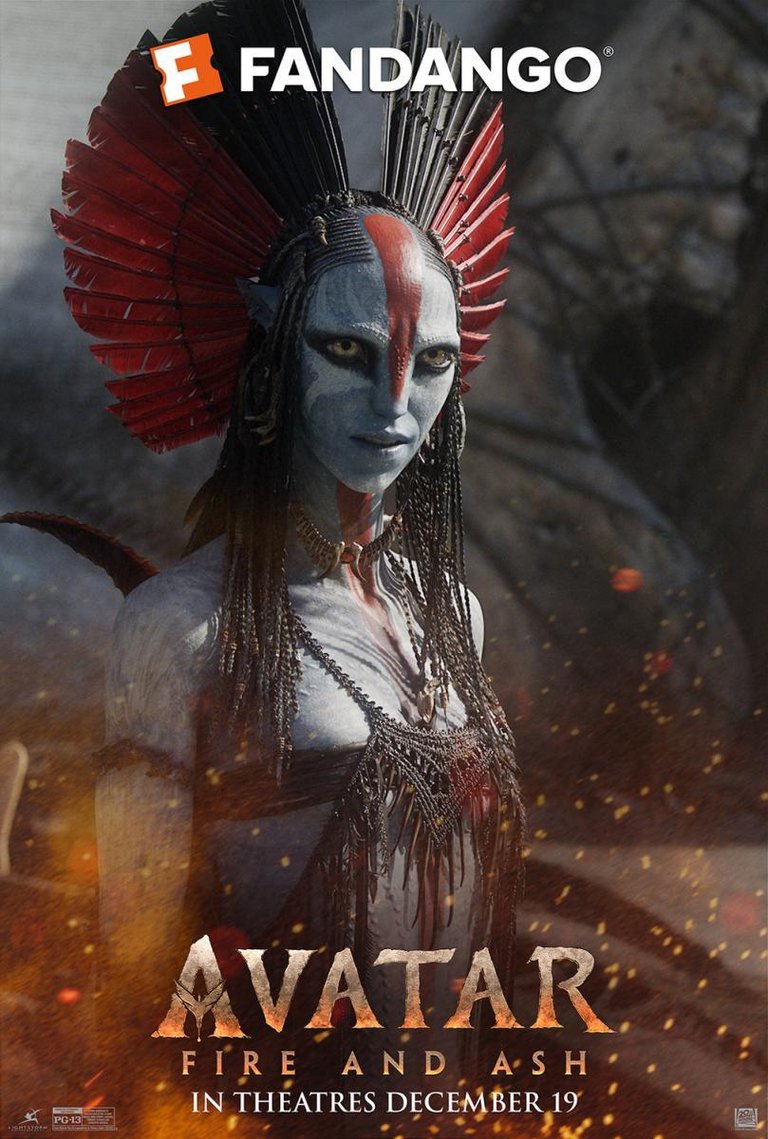
Varang es la tsahik de los Mangkwan, su líder espiritual y militar. Se trata de un personaje que concentra atención y tensión en la trama. Sin ella, esta tercera parte sería en verdad insufrible. El diseño visual del personaje está muy bien hecho y sus movimientos, sus gestos y su carácter van de la mano de su gusto por el fuego, su rechazo a Eywa y su ambición de poder. En medio de una trama repetitiva y escenas que hemos visto antes en esta y otras franquicias (un ataque de un Mangkwan me hizo recordar el sacrificio de los War Boys en Mad Max), Oona Chaplin como Varang es una presencia estimulante, que no fresca ni novedosa, pero que destaca como lo más interesante de una película que no me mostró todo lo que hubiera querido ver de Kiri, mi personaje favorito de la franquicia. A pesar de haber sido duramente criticada, Avatar: Fire and Ash ha recaudado ya unos casi seiscientos millones de dólares en todo el mundo y Avatar se ha convertido en la trilogía más taquillera de la historia del cine con más de 5.600 millones de dólares, superando a Star Wars y a Spider-Man (Tom Holland version), así que en cualquier caso estamos hablando de un hito en la historia del cine. Para una experiencia visual sin precedentes que difícilmente se replicará en un futuro cercano, sin duda confíen en el señor James Cameron que proyecta hacer dos más de estas películas, siempre y cuando recaude la cantidad suficiente de dinero, claro, y parece ir por buen camino, ¿cuántos de ustedes ya vieron las tres de Avatar: Fire and Ash? Los leo en los comentarios.
Reviewed by | Reseñado por @cristiancaicedo
Other posts that may interest you | Otros posts que pueden interesarte:
  |
|---|