Sentimental Value (2025): this might be the best film of the year! [ENG|ESP]


Ganadora del Gran Premio del Jurado en el Festival de Cannes
Almost every film released in theaters comes with a huge advertising campaign where we read things like "The best film of the year," "The director at his best," etc., and it's so common that not everyone can be right, right? That's why it's such a delight and a true triumph when a film raises high expectations and then not only lives up to them but far surpasses everything we wanted to see in it.
Casi todas las películas que se estrenan en el cine vienen acompañadas de una gran campaña publicitaria en la que leemos cosas como "La mejor película del año", "El director en su mejor momento", etc, y es tan frecuente que no todos pueden tener razón, ¿cierto? Por eso es un deleite y un verdadero triunfo cuando una película levanta muchas expectativas y luego se muestra no sólo a la altura de lo esperado sino que supera con creces todo aquello que queríamos ver en ella.

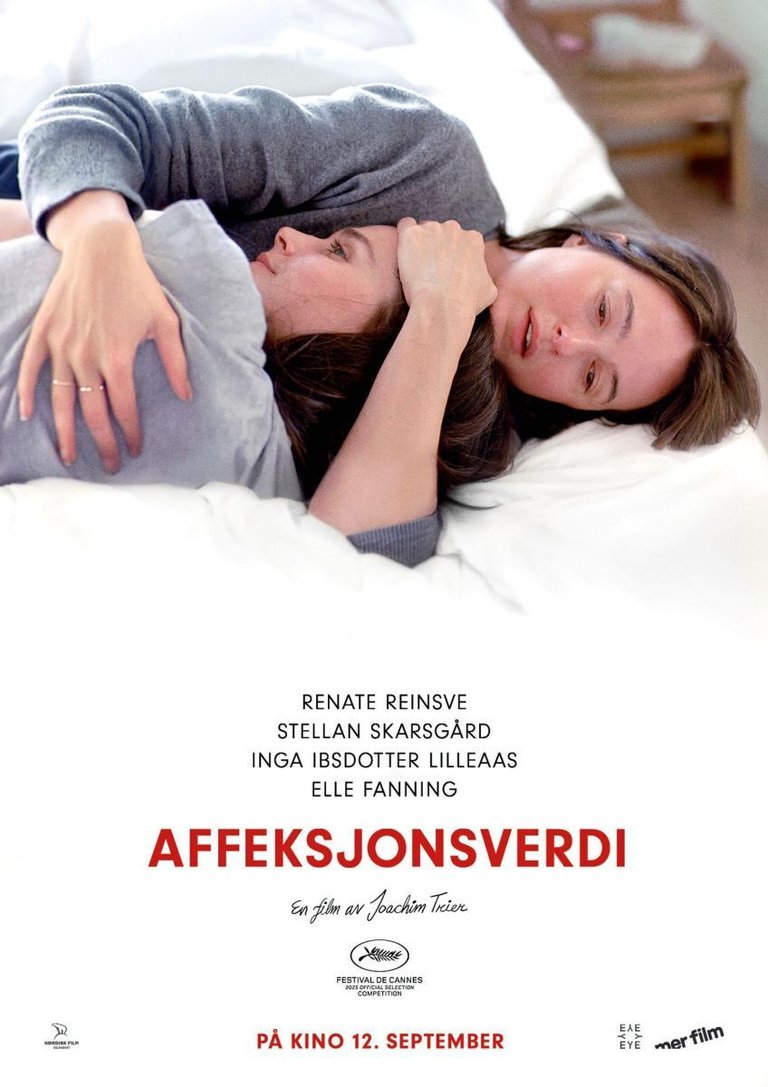
Since winning the Grand Jury Prize at Cannes this year, Joachim Trier's Norwegian film Affeksjonsverdi (Sentimental Value) has generated a lot of buzz and recently attracted attention again thanks to its eight Golden Globe nominations, something not very common for a foreign film in a competition where this year's most nominated film is Paul Thomas Anderson's One Battle After Another with ten nominations. That's why, because I'd seen a couple of interesting things by Trier and because I loved Renate Reinsve in The Worst Person in the World, I had the release date of this film marked on my calendar in my city, scheduled for Christmas Day. And what a gift I gave myself! Sentimental Value is, in essence, a family drama. Nora (Renate Reinsve) and Agnes (Inga Ibsdotter Lilleaas) are two sisters who grew up in a home where their parents frequently argued, and from childhood they had to get used to living without their father, Gustav (Stellan Skarsgård), a prominent film director. For better or worse, the girls managed to build their own lives. Nora is a talented stage actress, and Agnes became an academic historian; she also got married and has a son who is about eight years old. After their mother's death, the sisters are suddenly shaken by the visit of their father who comes not only for the funeral but to try to reconnect and above all to offer Nora the lead role in his next film, his first project of this kind in fifteen years and, in Gustav's own opinion, the best screenplay he has ever written.
Desde que obtuviera el Gran Premio del Jurado en Cannes este año, la cinta Affeksjonsverdi (Sentimental Value) del noruego Joachim Trier ha dado mucho de qué hablar y recientemente volvió a atraer las miradas gracias a sus ocho nominaciones en los Golden Globes, algo no muy común para una película extranjera en una competición en la que la más nominada es One Battle After Another de Paul Thomas Anderson con diez nominaciones. Por eso, porque he visto un par de cosas interesantes de Trier y porque amé a Renate Reinsve en The Worst Person In The World, tenía marcada en mi calendario la fecha de estreno en cines de esta película en mi ciudad, pautado para el día de navidad. Y vaya regalo que me di. En principio, Sentimental Value es un drama familiar. Nora (Renate Reinsve) y Agnes (Inga Ibsdotter Lilleaas) son dos hermanas que crecieron en un hogar en donde las peleas entre sus padres eran frecuentes y desde su infancia tuvieron que acostumbrarse a vivir sin su padre Gustav (Stellan Skarsgård), un importante director de cine. Mal que bien, las chicas lograron hacer sus vidas. Nora es un talentosa actriz de teatro y Agnes se convirtió en una Historiadora Académica y además se casó y tiene un hijo de unos ocho años. Tras la muerte de su madre, las hermanas se ven de pronto sacudidas por la visita de su padre que no viene sólo para el funeral sino para intentar retomar el contacto y sobre todo para ofrecerle a Nora el papel principal en su próxima película, su primer proyecto de ese tipo en quince años y, en opinión de propio Gustav, el mejor guion que ha escrito.

But Nora has never gotten along with her father. They struggle to communicate, they can't talk, and she hasn't forgiven him for abandoning them. That's why she rejects the role and any attempt at reconciliation on his part. Shortly after, Gustav meets the talented Rachel Kemp (Elle Fanning), a young and enthusiastic Hollywood star who has been captivated by one of his films, and he offers her the role Nora turned down, a role deeply connected to her family's history and the house that was their home for so many years. All of this is shown in the film's trailer, and yes, it all happens, but it's not even a quarter of a plot that has much more to offer as the film unfolds.
Pero Nora nunca se ha llevado bien con su padre. Les cuesta comunicarse, no pueden hablar y ella no le ha perdonado el haberlas abandonado. Por eso rechaza el papel y cualquier intento de acercamiento de su parte. Poco después, Gustav conoce a la talentosa Rachel Kemp (Elle Fanning), una joven y entusiasta estrella de Hollywood que ha quedado fascinada con una de sus películas y entonces le ofrece el papel que Nora rechazó y que está profundamente ligado a la historia de su familia y a la casa que fuera su hogar durante tantos años. Todo eso se ve en el tráiler de la película y sí, todo eso ocurre, pero no es ni la cuarta parte de una trama que tiene mucho más que ofrecer a medida que la cinta se desarrolla.
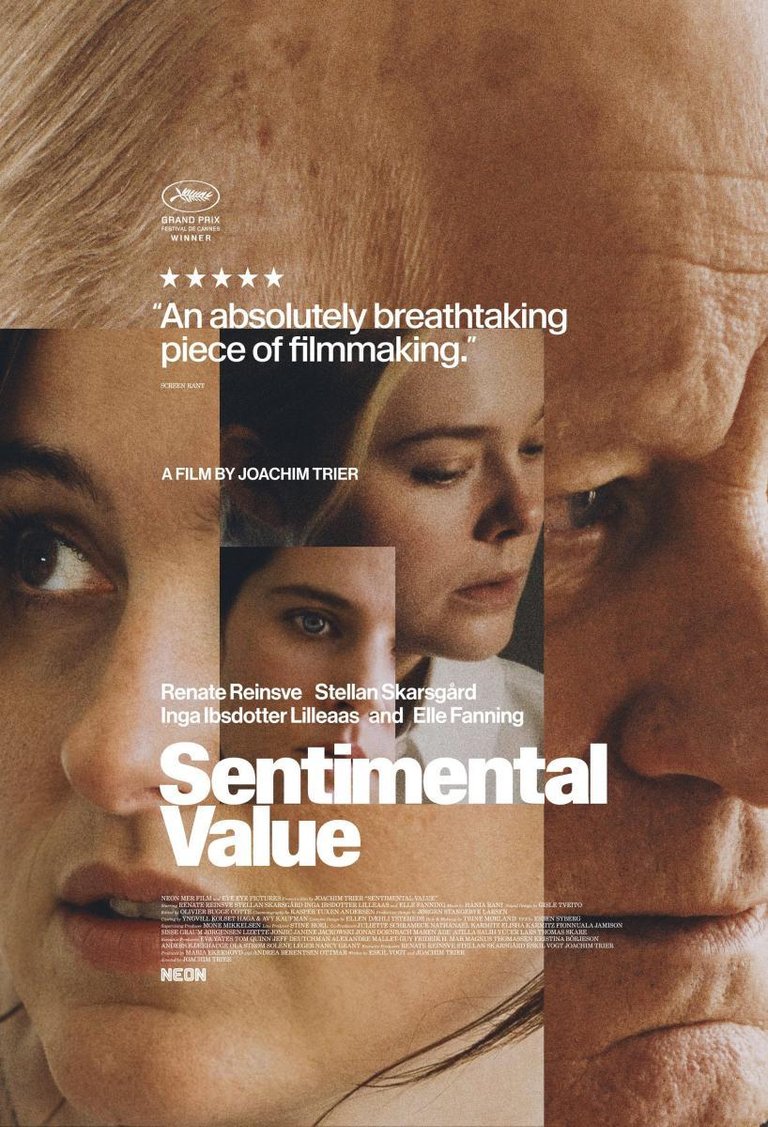
On one hand, we have the two sisters trying to cope with their reappeared father. Agnes is somewhat less conflicted, and the presence of her son, the director's grandson, serves as a kind of pretext for her father's closeness to her. Nora, on the other hand, is much more rigid. She is burdened with resentment, and we gradually realize that her erratic, volatile, and unpredictable behavior stems largely from the wounds of her childhood. Deep down, she's a sensitive woman, tender if she chooses to be, and when she manages to laugh and smile, she's a true force of nature. But she has erected so many walls around herself and protected herself so much from so many people that it prevents others from seeing her kinder side. Her apparent strength and disinterest are actually a mask for her pain. Added to this are the personal dramas of each character: Agnes's with her family and her sister; Nora's with her father and her acting career; and Gustav's own, who feels the end of his career is near; he's tired, the world has changed, and he has left his mark on it, but the price has perhaps been too high, and this last project seems to be a farewell and a plea for forgiveness. And of course, there's also Rachel, eager to play a role that attracts her with the same intensity with which it frightens her because it makes her feel like an intruder, an imposter in a role created for someone else, one that she doesn't quite understand. The screenplay by Joachim Trier and Eskil Vogt is beautiful, the music by Polish composer Hania Rani is perfect for the film, and the cinematography by Kasper Tuxen is exactly what this story needed to make it one of the best films of recent years and perhaps my favorite film of 2025.
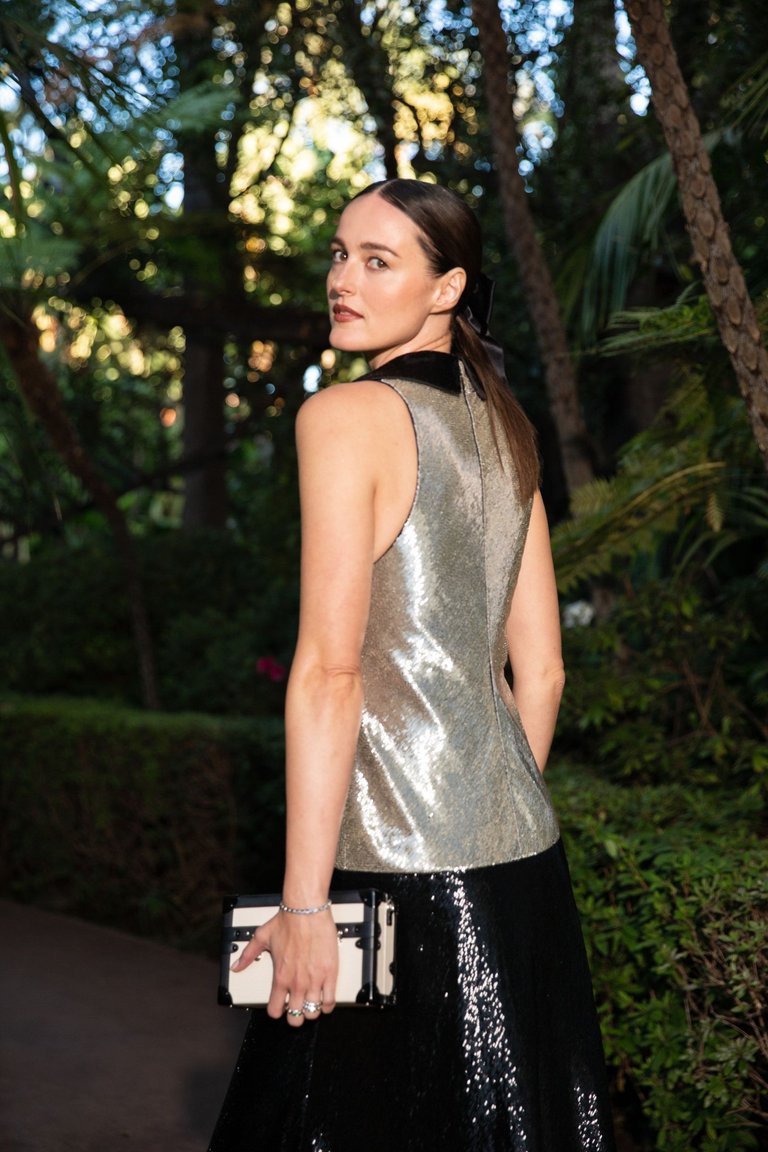
Por un lado tenemos a las dos hermanas tratando de sobrellevar la relación con su padre reaparecido. Agnes es algo menos conflictiva y la presencia de su hijo, nieto del director, es una especie de excusa para la cercanía de su papá con ella. Nora en cambio es mucho más rígida. Está cargada de resentimiento y poco a poco nos vamos dando cuenta de que su comportamiento errático, volátil e impredecible proviene, en buena medida, de las heridas de su infancia. En el fondo es una mujer sensible, tierna si quiere serlo, y cuando consigue reír y sonreír es una verdadera fuerza de la naturaleza, pero ha erigido tantos muros a su alrededor y se ha protegido tanto y de tantos que eso le impide a los demás ver su lado más amable. Su aparente fuerza y desinterés son en realidad una máscara para su dolor. A ello se suman los dramas personales de cada personaje: el de Agnes con su familia y con su hermana; el de Nora con su padre y su trabajo actoral; y el del propio Gustav quien siente que el fin de su carrera está cerca; está cansado, el mundo ha cambiado y él ha dejado su huella en él, pero el precio ha sido tal vez demasiado alto y este último proyecto parece ser una despedida y una súplica de perdón. Y claro, también está Rachel, deseosa de interpretar un papel que la atrae con la misma intensidad con la que la asusta porque le hace sentirse una intrusa, una impostora en un rol creado para alguien más y que ella no consigue comprender del todo. El guion de Joachim Trier y Eskil Vogt es una belleza, la música de la polaca Hania Rani es perfecta para la cinta y la fotografía de Kasper Tuxen es exactamente la que esta historia necesitaba para conformar una de las mejores películas de los últimos años y la que tal vez sea mi película favorita del 2025.
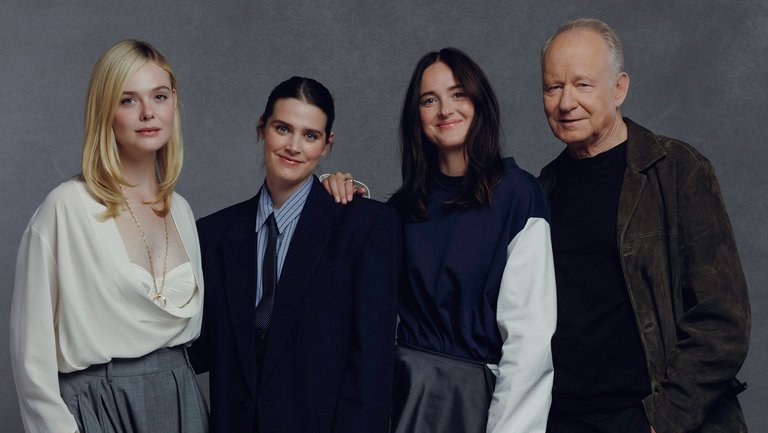
In this part of the world, we know Elle Fanning well enough to know she's a great actress who always delivers, and we've also seen Stellan Skarsgård, who in this film is every bit as impressive as all the hype surrounding him. His performance is legendary. I haven't heard much about Inga Ibsdotter Lilleaas as Agnes, but her performance is also perfect, and I'd love to see her in other projects. Agnes is an endearing, sweet, compassionate, and supportive character who, despite her own personal pain, is practically the one holding together the last thread of a family on the verge of total collapse.
En este lado del mundo conocemos lo suficiente a Elle Fanning para saber que es una gran actriz que siempre cumple con sus actuaciones y también hemos visto a Stellan Skarsgård, que en esta cinta está tan impresionante como todo lo que se ha dicho en los medios. Su actuación es de antología. De Inga Ibsdotter Lilleaas como Agnes no he oído hablar, pero la verdad es que su actuación también es perfecta y me gustaría verla en otros proyectos. Agnes es un personaje entrañable, dulce, compasivo y solidario que, a pesar de su dolor personal, prácticamente es quien sostiene la última fibra que mantiene unida a una familia a punto del colapso total.
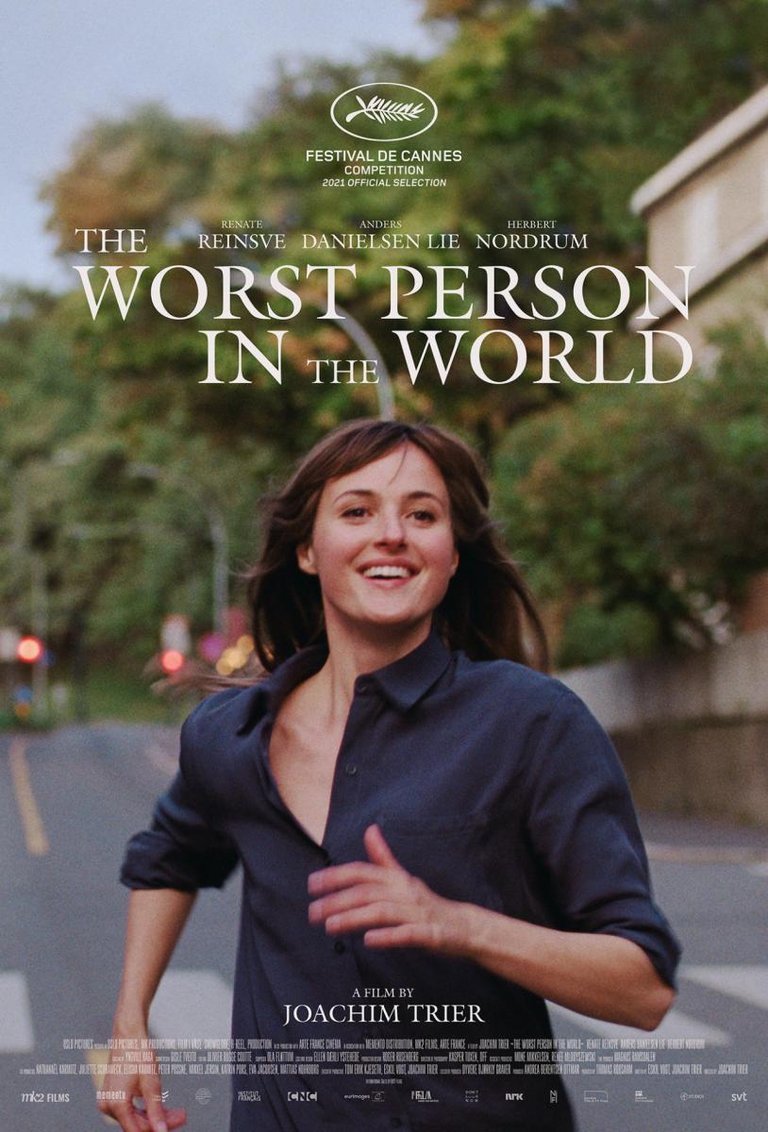
But the magic is done by Renate Reinsve. This woman is one of the best actresses of her generation. You've probably seen her in A Different Man or the Apple TV series Presumed Innocent, but most will remember her for her wonderful performance as Julie in The Worst Person in the World (also by Joachim Trier). Well, in Sentimental Value, Renate is even better. Her ability to reflect in her face and body the different emotions seething inside Nora, sometimes simultaneously, is incredible. Resentment, love, loneliness, fear, doubt, confusion, affection, admiration, longing, trauma, wounds, disappointment... her role as Nora is a carnival of emotions, and Renate is impeccable in every scene. Her performance alone is reason enough to want to see this film again and again. As are other achievements of Trier: the screenplay, the opening sequence with that story of the house, the metaphor of that crack in the wall, the final sequence in a single take, the dramatic scenes between Gustav and his daughters... Sentimental Value is drama, family, trauma, guilt, love, hate, but it's also cinema within cinema, it's the artist's vocation, it's a questioning of the film industry and the rules of the game today, it's honoring the power of stories with a powerful and memorable narrative. I don't know how many more awards this film will win, but that doesn't matter; what matters is that you go see it, that you let yourselves be immersed in this film that will surely stay with you for a long time. How many of you have already seen it? Let me know in the comments.
Pero la magia la hace Renate Reinsve. Esta mujer es una de las mejores actrices de su generación. Probablemente la hayan visto en A Different Man o en la serie de Apple Tv Presumed Innocent, pero la mayoría la recordara por su maravillosa actuación como Julie en The Worst Person In The World (también de Joachim Trier). Bien, en Sentimental Value Renate está aún mejor. Su capacidad para reflejar en su rostro y su cuerpo las diferentes emociones que bullen en el interior de Nora, a veces en simultáneo, es increíble. Rencor, amor, soledad, miedo, dudas, confusión, cariño, admiración, anhelos, traumas, heridas, decepción... su rol como Nora es un carnaval de emociones y Renate es impecable en cada escena, su interpretación ya es razón suficiente para querer ver esta película una y otra vez. Como también los son otros logros de Trier, el guion, la secuencia inicial con esa historia de la casa, la metáfora de esa grieta en la pared, la secuencia final en una sola toma, las escenas dramáticas entre Gustav y sus hijas... Sentimental Value es drama, familia, trauma, culpa, amor, odio, pero también es cine dentro del cine, es la vocación de artista, es un cuestionamiento de la industria cinematográfica y de las reglas del juego hoy, es honrar el poder de las historias con una historia poderosa y memorable. No sé cuántos premios más ganará esta película, pero eso no importa; lo importante es que vayan a verla, que se dejen sumergir en esta cinta que seguramente les acompañará durante un buen tiempo, ¿cuántos de ustedes ya la ha visto? ¿cuántos quieren verla? Los leo en los comentarios.
Reviewed by | Reseñado por @cristiancaicedo
Other posts that may interest you | Otros posts que pueden interesarte:
 |
|---|