Nosferatu — Old Shadows That Still Know How to Move
Nosferatu — Old Shadows That Still Know How to Move
Some horror films become old in the wrong way. The effects start to show, the rhythm feels trapped in another century, and the fear turns into a museum object. Nosferatu is old, of course, but it has not gone quiet. It still has that thin, cold feeling of something watching from the corner of the room.
Official/public-domain viewing link:
Why I chose it today
After writing about a song last time, I wanted to return to cinema with something that has a different kind of energy. Not a new release. Not a loud franchise piece. Something slower, stranger, and more skeletal.
F. W. Murnau's 1922 silent film is often discussed as an unofficial Dracula adaptation, with names changed and the story reshaped. That legal shadow is part of its history, but the film survives for a better reason: Count Orlok does not feel like a normal screen vampire. He feels like illness, obsession, bad dreams, and empty streets given a body.
The story in simple shape
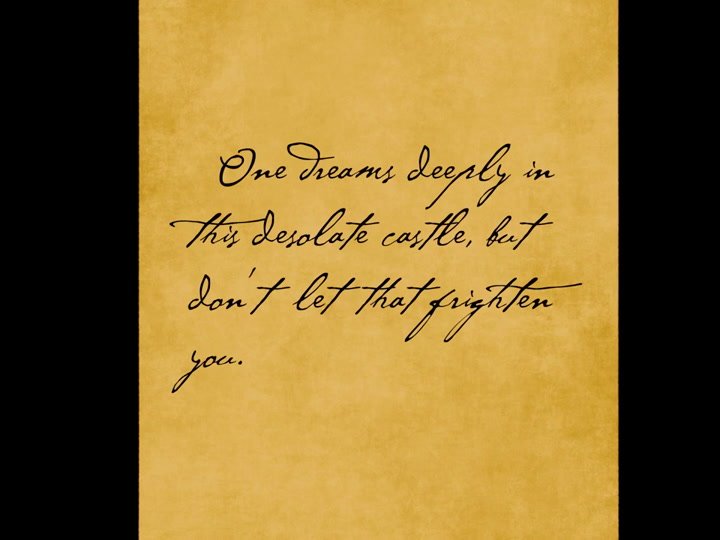
The plot is direct. A young real-estate clerk travels to a remote castle to arrange a property sale. The client, Count Orlok, is not merely eccentric. He is something older and hungrier. Once Orlok sees the clerk's wife through a portrait and decides to move closer to her town, the film shifts from private danger to public dread.
That is one of the strongest parts of the movie. It is not only about one victim or one haunted house. The horror travels. It arrives by ship. It enters a community. It spreads through rumor, silence, coffins, and fear.
Orlok still works
Max Schreck's Count Orlok is not romantic. That matters. Many later vampires became smooth, beautiful, tragic, or seductive. Orlok is not built that way. His face is narrow, his fingers look too long, and his movements have a stiff, insect-like patience.
He does not need many gestures. A doorway, a staircase, a shadow on a wall — the film knows how to make him disturbing with very little. That restraint is why some images remain powerful even now. The famous shadow is not just a trick shot. It turns the monster into a shape, almost an idea, moving toward the victim before the body fully arrives.
The silence helps
Silent cinema can feel distant if someone expects modern pacing. Here, the silence becomes part of the pressure. The faces, cards, architecture, and body language do more work. Because there is no spoken dialogue, every room feels a little more exposed.
I also like how the film uses daylight. It is not only a night-world. Some of the most uneasy moments happen in bright spaces, which makes the danger feel less like a ghost story and more like a sickness crossing into normal life.
What feels dated
The acting style is broad compared with modern film. Some reactions are theatrical, and a few transitions can feel abrupt. Anyone coming from current horror may need a few minutes to adjust to the rhythm.
But I do not see that as a real weakness. It is part of the grammar of the period. Once the eye accepts it, the film becomes easier to read. The exaggeration is not random; it points the viewer toward emotion, danger, and moral panic.
What still feels fresh
The best thing about Nosferatu is its atmosphere. It understands that horror is not only a monster appearing. Horror is waiting. Horror is the road to the castle. Horror is the ship arriving with no comfort left inside it. Horror is a town slowly realizing that something has entered and normal explanations are too small.
That feeling is still useful today. Modern horror often has more sound, more editing, more blood, and more explanation. This film has less, but sometimes less leaves more space for the mind to participate.
Final thoughts
Nosferatu is not scary in the same way a modern jump-scare film is scary. It is thinner, colder, and more patient. It works like a bad memory from a time before horror had fixed rules.
For me, that is the reason it remains worth discussing. It is not just an important old title people mention out of respect. It is still a film with images that can disturb the room around you. Count Orlok walks slowly, but the shadow he leaves behind is fast.
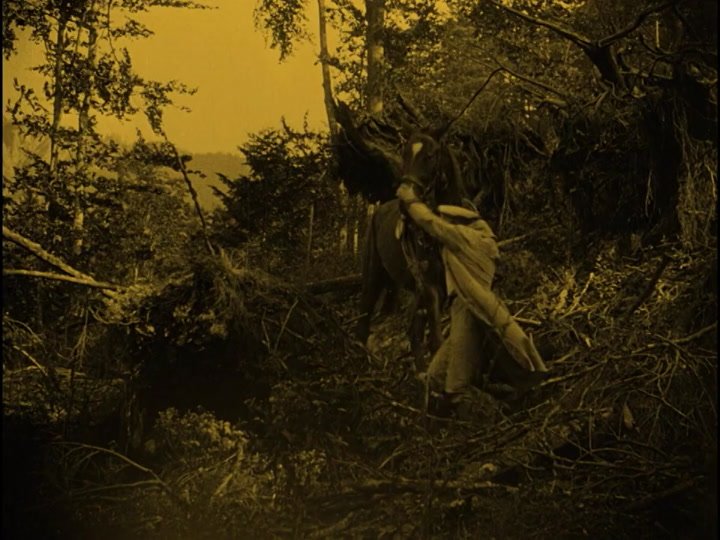
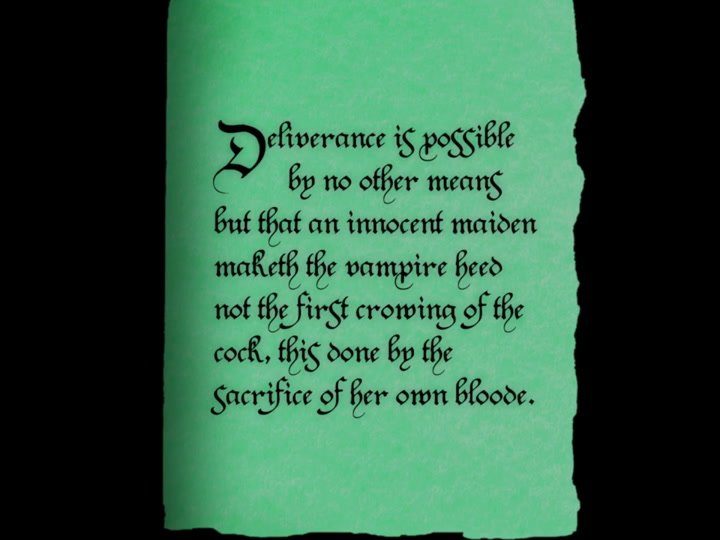
Image/source note: stills are from the public-domain Internet Archive copy of Nosferatu (1922).