Radicalism is always bad: A review from "Hoppers".


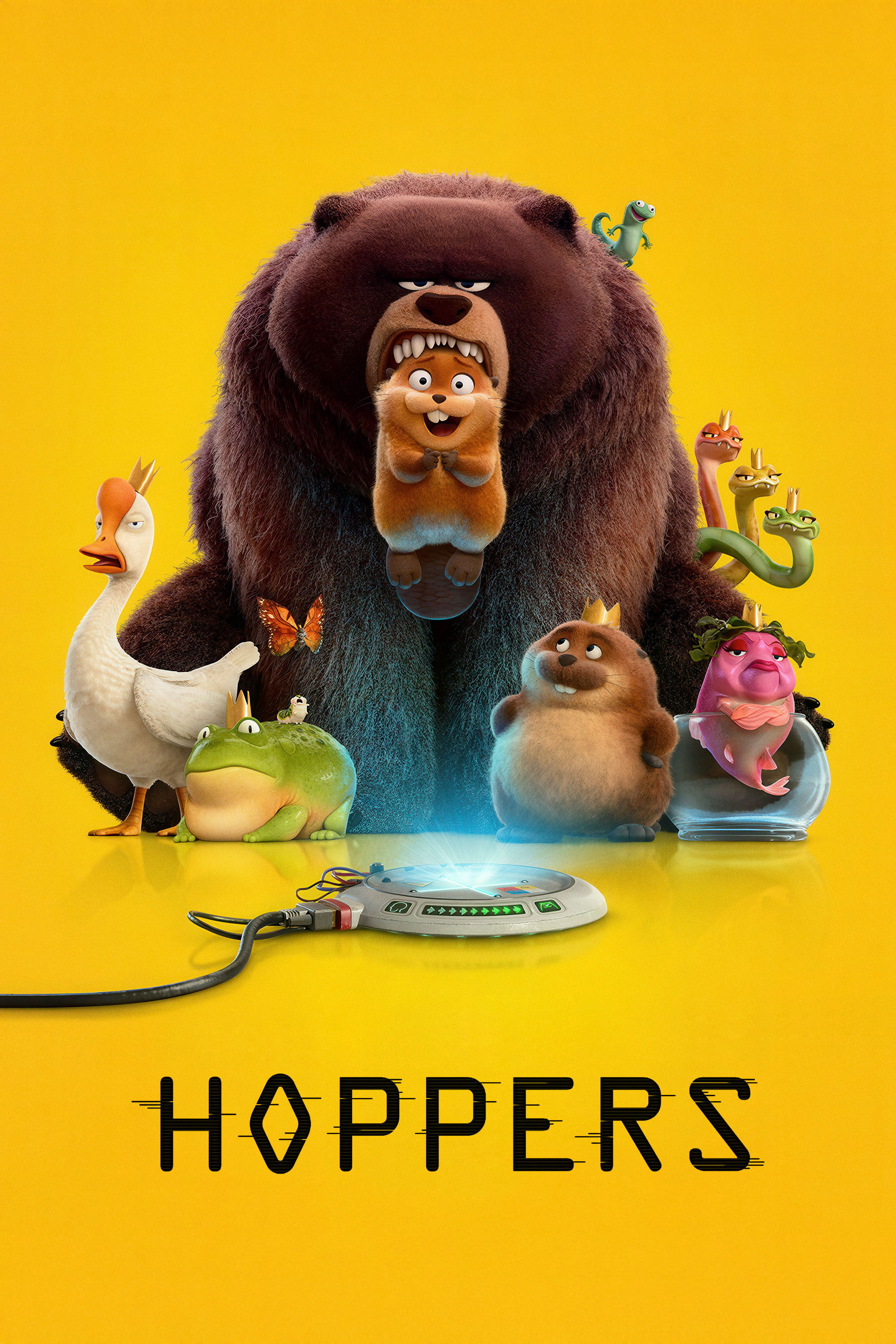
It isn't new to see a movie or book that the author tries to show critics of society and world politics translated into a movie. Probably Animal Farm by George Orwell is the most classic example of that. But "Hoppers" brought up a topic that has been brought up much and much more that I saw a bit also in the Netflix release this year, "Swapped". A critic to our current extreme behaviour of selfishness that doesn't consider the other side of a story.

![Mabel is the protagonist, and she changes a lot through the movie. [Screenshot from the movie database]](https://image.tmdb.org/t/p/original/n1gp9MMfLGSI77pIJjEAIITzV2J.jpg)
"Hoppers" start with an idea that was brought in many other movies: a kid grew up with the concept that we need to share our environment with the animals and saw politicians trying not to step on the brakes in their plans to expand the city and destroy all the natural environment that is left around the city. Mabel Tanaka became one "Green Peace radical-like" young adult who just wants to give the animals their place to be safe back.
She discovers a project from her university that her consciousness can get transported to an animal robot. That is another interesting approach of the creators since it is a current topic in science if we can move our consciousness to machines. She gets into this beaver robot that understands animal languages and starts a revolt to claim their space back.
However, the movie has a twist. The animals get a leadership a bit extremist and wants to erase the human race. That's where the movie gets some points, ts and Mabel wakes up to the fact that maybe her radical side to fight for nature isn't the totally correct side. So the twists make Mabel fight for the humans, including the politician that she hates. So here we are in a war where we have points of view from different sides, showing that there isn't an evil and a good side, but both sides can play both, especially if they become extreme in their ideas.

![Mabel learns about friendship and also being less radical during the movie. [Screenshot from The movie Database]](https://image.tmdb.org/t/p/original/zEhKvbAyKV4S7hxToqowYROmO67.jpg)
This type of movie, like "Swapped," is a good opportunity to show kids, maybe if they are capable of understanding, that perhaps there isn't a black-and-white side. The real truth will be most of the time gray, and the other sides are both black. Being extremist in our ideas is what makes the world ugly and terrible.

Não é novidade ver um filme ou livro em que o autor tenta mostrar críticas à sociedade e à política mundial traduzido para o cinema. Provavelmente, A Revolução dos Bichos, de George Orwell, é o exemplo mais clássico disso. Mas "Hoppers" trouxe à tona um tema que tem sido muito mais debatido, e que também vi um pouco no lançamento da Netflix deste ano, "Swapped". Uma crítica ao nosso comportamento atual de extremo egoísmo, que não considera o outro lado da história.
"Hoppers" parte de uma ideia já vista em muitos outros filmes: uma criança cresce com a noção de que precisamos compartilhar nosso ambiente com os animais e vê políticos tentando não frear seus planos de expansão urbana, que acabam destruindo toda a área natural remanescente ao redor da cidade. Mabel Tanaka se torna uma jovem adulta radical, no estilo do Greenpeace, que só quer devolver aos animais seu lugar de refúgio.
Ela descobre um projeto em sua universidade que permite transferir sua consciência para um robô animal. Essa é outra abordagem interessante dos criadores, já que é um tema atual na ciência: a possibilidade de transferir nossa consciência para máquinas. Ela entra nesse robô castor que entende a linguagem dos animais e inicia uma revolta para reivindicar seu espaço.
No entanto, o filme reserva uma surpresa. Os animais ganham uma liderança um tanto extremista que quer exterminar a raça humana. É aí que o filme acerta em cheio, quando Mabel percebe que talvez seu lado radical na luta pela natureza não seja o totalmente correto. Então, as reviravoltas fazem com que Mabel lute pelos humanos, incluindo o político que ela detesta. Então aqui estamos nós em uma guerra onde temos pontos de vista de lados diferentes, mostrando que não existe um lado bom e um lado mau, mas ambos os lados podem desempenhar ambos os papéis, especialmente se se tornarem extremistas em suas ideias.
Este tipo de filme, como "Swapped", é uma boa oportunidade para mostrar às crianças, talvez se elas forem capazes de entender, que talvez não exista um lado preto e branco. A verdade real será, na maioria das vezes, cinza, e os outros lados são ambos pretos. Ser extremista em nossas ideias é o que torna o mundo feio e terrível.
!BBH
Thanks for staying active. Your GLD activity distribution of 0.0291 GLS has been sent.
Sending you a tip point.
Please take a moment to vote on the ecency proposal. Your vote means a lot to us.
https://ecency.com/proposals/379%0A%0A
Oh finally something different than the classic thing already seen 10 times with the twist of animals wanting to wipe humans... I could argue that humans started wanting to finish animals so that reaction is understandable
well thats what the animals wanted hehehe