The Sundays | Film Review

Vocation or manipulation?
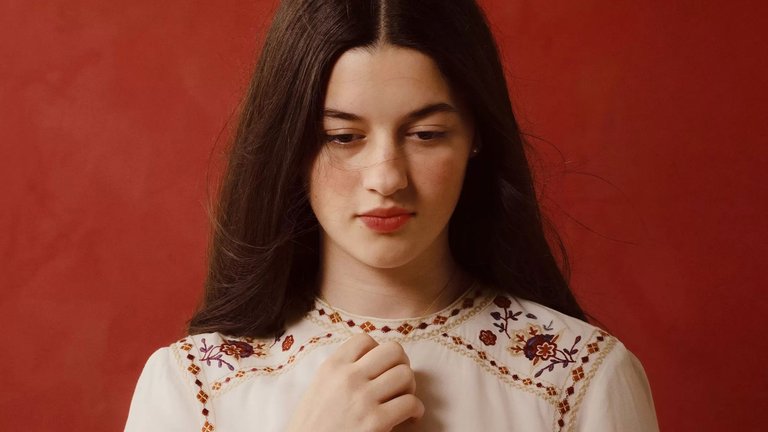

Last weekend, the Goya Awards, Spain's most prestigious film awards, were presented, and the winner for Best Director and Best Film was "Los Domingos" (Sundays). Before discussing the film, I want to express my disgrace to the progressive movement. All those wealthy artists, trying to lecture others on morality, attacking the President of the United States, all sporting "Free Palestine" badges. Well, not all of them; some, like Macarena Gómez and Leonor Watling, refused to wear them and engage in political propaganda with such nonsense. All those subsidy-loving idiots should renounce their privileges in Spain and go live in Palestine; let's see how long they last there, because many of them are homosexual, and for that reason, I don't think they'll survive long.
Now that I've vented my frustration with the ideological propaganda of the Goya Awards, I'll share my opinion on "Los Domingos," which won several important awards. I've seen director Aluda Ruiz de Azúa's previous works, and I believe I've reviewed two of them. I quite liked the film "Cinco Lobitos" (Five Little Wolves). "Eres tú" (It's You) was another of her works that I enjoyed, but it was the miniseries "Querer" (To Love) that disappointed me a little. Not because of the cinematic aspect—in that sense, she's a very capable director—but because of the message it conveyed.
What would you do if your 17-year-old daughter or niece told you she wanted to dedicate her life to God and become a nun? What would your reaction be? Would you support her or do everything possible to dissuade her from that idea? Remember, she's 17. Well, that's the conflict presented in the film "Los Domingos" (Sundays). Young Ainara, who has lost her mother, lives with her siblings, her father, and spends a lot of time with her paternal grandmother and her aunt Maite. They all adore her; it's a normal family, with its common rules and problems.
The girl allows herself to be pressured by the nuns and priests at the school she attends. Since it's set in Spain, we're talking about the Catholic religion. For a 17-year-old, deciding to become a nun is, in my opinion, a very risky decision. It's not that at that age you don't have your own judgment, but you're also very young and can make rash decisions that will later be difficult to undo. That's how it is, in my opinion, for a young woman of that age to let herself be manipulated with this whole gender dysphoria issue. The same applies.
I completely identified with the character of Maite, Ainara's aunt. She's a woman without faith, just like me. So she'll do everything possible, no matter the cost, to convince Ainara not to waste her youth and her life on that damned obsession. Perhaps you think differently and say you would totally support such a decision, but I've had to witness bad decisions made by people I love, decisions that ruined their lives. Of course, everyone ruins their life as they please, but when you love someone, it hurts, and Maite is deeply wounded by this, which will lead her to make extreme decisions that will completely distance her from her family.
There was a lot of manipulation on the part of the religious figures. That's how church leaders, from any religious group, act, and let's not forget that Ainara has lost her mother. She has trauma, grief, sadness, and all religions like these kinds of people, so fragile, broken by some pain they carry on their shoulders, because they are easy prey for manipulation.
The film is technically impeccable, with excellent direction. I liked the cinematography, with many cool and pastel colors, but they give it the ideal tone for the story it tells. For me, it's not the best Spanish film of the year, but if those who voted for the Goya Awards decided it was, congratulations to the entire team behind this production.
I hope you see it and share your opinion in the comments.
El fin de semana pasado se entregaron los Premios Goya, los premios cinematográficos más importantes de España, y la ganadora a Mejor Director y Mejor Película fue "Los Domingos". Antes de hablar de la película, quiero expresar que la ceremonia de los Premios Goya fue una vergüenza progresista. Todos esos artistas adinerados, queriendo dar lecciones de moral, atacando al presidente de Estados Unidos, todos con una insignia de "Palestina Libre". Bueno, no todos, algunos, como Macarena Gómez y Leonor Watling, se negaron a usarla y a hacer propaganda política con esas tonterías. Todos esos idiotas amantes de las subvenciones deberían renunciar a los privilegios que tienen en España e irse a vivir a Palestina; a ver cuánto duran allí, porque muchos son homosexuales y, por eso, no creo que sobrevivan mucho.
Ahora que he desahogado mi frustración contra la propaganda ideológica de los Premios Goya, compartiré mi opinión sobre "Los Domingos", que ganó varios premios importantes. He visto las obras anteriores de la directora Aluda Ruiz de Azúa, y creo haber reseñado dos. Me gustó bastante la película "Cinco Lobitos". "Eres tú" fue otra de sus obras que disfruté, pero fue la miniserie "Querer" la que me decepcionó un poco. No por el aspecto cinematográfico —en ese sentido, es una directora muy capaz—, sino por el mensaje que transmitió en ella.
¿Qué harías si tu hija o sobrina de 17 años te dijera que quiere dedicar su vida a Dios y hacerse monja? ¿Cuál sería tu reacción? ¿La apoyarías o harías todo lo posible por disuadirla de esa idea? Recuerda, tiene 17 años. Pues bien, ese es el conflicto que plantea la película "Los Domingos". La joven Ainara, que ha perdido a su madre, vive con sus hermanos, su padre y pasa mucho tiempo con su abuela paterna y su tía Maite. Todas la adoran; Es una familia normal, con sus normas y problemas comunes.
La chica se deja presionar por las monjas y los sacerdotes del colegio al que asiste. Al estar ambientada en España, hablamos de la religión católica. Para una joven de 17 años, decidir hacerse monja es, en mi opinión, una decisión muy arriesgada. No es que a esa edad no se tenga criterio propio, sino que también se es muy joven y se pueden tomar decisiones precipitadas que luego serán difíciles de resolver. Así es, en mi opinión, que una joven de esa edad se deje manipular con todo este asunto de la disforia de género. Lo mismo.
Me identifiqué completamente con el personaje de Maite, la tía de Ainara. Es una mujer sin fe, igual que yo. Así que hará todo lo posible, cueste lo que cueste, para convencer a Ainara de que no desperdicie su juventud y su vida en esa maldita obsesión. Quizás pienses diferente y digas que apoyarías totalmente una decisión así, pero he tenido que presenciar malas decisiones de personas que quiero, destrozando sus vidas. Claro, cada uno arruina su vida a su antojo, pero cuando amas a esa persona, duele, y Maite está profundamente herida por eso, lo que la llevará a tomar decisiones extremas que la distanciarán por completo de su familia.
Hubo mucha manipulación por parte de los personajes religiosos. Así es como actúan los líderes eclesiásticos, de cualquier grupo religioso, y no olvidemos que Ainara ha perdido a su madre. Tiene un trauma, un duelo, una tristeza, y a todas las religiones les gusta ese tipo de personas, tan frágiles, rotas por algún dolor que llevan sobre sus hombros, porque son presa fácil de ser manipuladas.
La película es técnicamente impecable, excelente dirección, me gustó la fotografía, con muchos colores fríos y pasteles, pero le dan el tono ideal para la historia que cuenta. Para mí no es la mejor película española del año, pero si quienes votaron en los Premios Goya lo decidieron, enhorabuena a todo el equipo detrás de esta producción.
Espero que la veas y medes tu opinión en los comentarios.
Gifs and separators made by me in photoshop. Translation with Deepl

Join the community

Que tema más complicado sobre todo por la pregunta que planteas, fui a colegio católico y se de que se trata todo. Si tuviera una hija o sobrina, en primer lugar aprendido lo que he aprendido en mi vida creo que no la enviaría a un colegio como el que fui yo, aunque a mi me cuidaron y no fueron como la película, todo lo contrario. Religión y espiritualidad no son lo mismo, la guiaría por el camino de los espiritual y el alma no la religión pero aún así, le diría que es su decisión pero que debe tomarla más adelante luego de haber vivido otras cosas y si aún así elige, pues es su vida. Haría lo posible porque se encuentre a si misma, porque el que busca algo fuera es porque no se ha hallado a si misma.
Comenté demasiado lo sé jajaja, gracias JC!
Me gusta el debate que plantea la película. La división familiar a causa de esa decisión. Me identifique mucho con el personaje de la tía de l a adolescente. En los personajes religiosos note esa supremacía moral de la que hacen alarde todos los religiosos, creyéndose poseedores de la verdad y sus miradas juzgadoras disfrazadas de compasión, cuando se topan con alguien que no se deja arropar por sus palabras. Es un film interesante.
He visto algunas películas de ese estilo... muchos quieren ejercer supremacía de diferentes maneras, la idea siempre es el control, en vez de enseñar a pensar y a sentir. A escuchar el alma que es lo más importante.