The Truce | Film Review

Ideologies that generate death
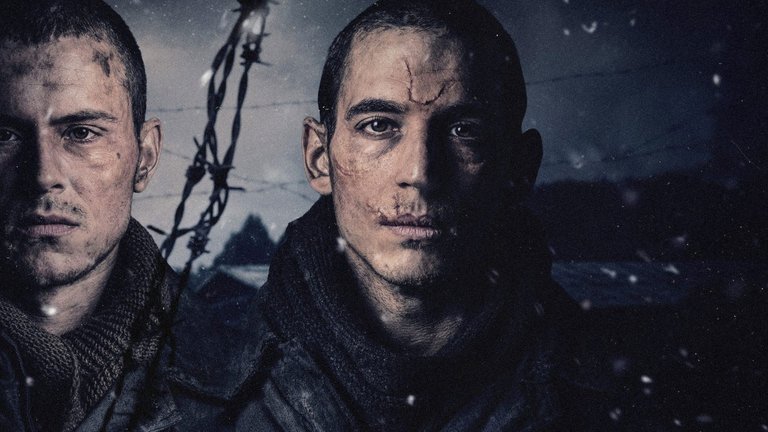

A good Spanish film that only received Goya nominations for makeup. It was one of the forgotten ones. Why? Perhaps it didn't conform to some of the progressive norms of Spanish cinema. I started watching it and couldn't stop until I finished it. A rather raw story that moved me deeply, especially in its final part.
I also noticed that it received somewhat lukewarm reviews from the famous Spanish film critics, beholden to an ideology and following the political narrative of the moment. Paid critics whose prejudices are obvious. One can criticize the film for its length and for some moments that slow the pace, which makes it imperfect, but the performances of the entire cast, the atmosphere, the cinematography, and the story are excellent.
Ah! The problem is that it portrays both sides: the communist republicans and the Francoists. Moreover, both sides were subjected to the destructive regime of the Stalinist left, which sent all its enemies to concentration camps, even its own communists who were deemed inconvenient. Because before Hitler ordered the opening of his concentration camps, we must never forget that it was the communist Stalin who created these centers of confinement and forced labor. It was the communists who created these overcrowded camps, where prisoners were stripped of all humanity.
The film's plot revolves around Spanish prisoners held in these Siberian camps. Although they were communists and fought for Russia, when they tried to return home, they were branded traitors, since even wanting to leave the Soviet Union was considered high treason under Stalin's communist regime. This communist scum has always been like this. They even destroy their own followers.
The conflict arises with the arrival of another group of Spanish prisoners, but these were soldiers of Franco's regime who fought alongside the Germans. Then, two factions that hate each other, the Republicans and Franco's self-proclaimed fascists, continue to clash within the prison camp, blaming each other for their deaths. A confrontation that will generate many tense and difficult situations, but they will soon realize that they are nothing more than trapped rats and that the need to unite to survive is stronger than any hatred they may feel for one another.
I loved the scene in which a Russian soldier forces the prisoners to sing their national anthems, and when he asks the Spaniards to sing theirs, each one begins to sing the anthem of their own side, putting their lives in danger. The way that scene was resolved, although somewhat simplistic, moved me.
Miguel Herrán and Aron Piper are brilliant in their performances, but the rest of the actors, mostly men, perfectly fulfill their roles. The makeup and the harsh conditions of their time in that concentration camp are believable, the cinematography is very well done, and we quickly grow fond of all the characters.
There is a conciliatory message, one of unity, of forgetting ideologies and identifying ourselves as equals. Many scars remain from that dark period in Europe. It's an unbiased film, and perhaps that's why it didn't receive more praise or awards.
I recommend it; watch it and tell me what you think in the comments.
Una buena película española que solo recibió nominaciones a los Goya por maquillaje. Fue una de las olvidadas. ¿Por qué? Quizás no se ajustaba a algunas de las normas progresistas del cine español. Empecé a verla y no pude parar hasta terminarla. Una historia bastante cruda que me conmovió profundamente, sobre todo en su parte final.
También noté que recibió críticas algo tibias de los famosos críticos de cine españoles, al servicio de una ideología y que siguen la narrativa política del momento. Críticos pagados cuyos prejuicios son evidentes. Se puede criticar la película por su larga duración y por algunos momentos que ralentizan el ritmo, lo que la hace imperfecta, pero las interpretaciones de todo el reparto, la atmósfera, la cinematografía y la historia son excelentes.
¡Ah! El problema es que retrata a ambos bandos: los republicanos comunistas y los franquistas. Además, ambos bandos fueron sometidos al régimen destructivo de la izquierda estalinista, que envió a todos sus enemigos a campos de concentración, incluso a sus propios comunistas que resultaban incómodos. Porque antes de que Hitler ordenara la apertura de sus campos de concentración, jamás hay que olvidar que fue el comunista Stalin quien creó estos centros de confinamiento y trabajos forzados. Fueron los comunistas quienes crearon estos campos superpoblados, donde los prisioneros eran despojados de toda humanidad.
La trama de la película gira en torno a prisioneros españoles recluidos en esos campos siberianos. Aunque eran comunistas y lucharon por Rusia, cuando intentaron regresar a casa, fueron tachados de traidores, pues incluso querer abandonar la Unión Soviética se consideraba alta traición bajo el régimen comunista de Stalin. Esta escoria comunista siempre ha sido así. Incluso destruyen a sus propios seguidores.
El conflicto surge con la llegada de otro grupo de prisioneros españoles, pero estos eran soldados del régimen de Franco que lucharon junto a los alemanes. Entonces, dos facciones que se odian, los republicanos y los autodenominados fascistas de Franco, continúan enfrentándose dentro del campo de prisioneros, culpándose mutuamente de sus muertes. Un enfrentamiento que generará muchas situaciones tensas y duras, pero pronto se darán cuenta de que no son más que ratas prisioneras y que la necesidad de unirse para sobrevivir es más fuerte que cualquier odio que puedan sentir entre sí.
Me encantó la escena en la que un soldado ruso obliga a los prisioneros a cantar sus himnos nacionales, y cuando les pide a los españoles que canten el suyo, cada uno empieza a cantar el himno de su bando, poniendo sus vidas en peligro. La forma en que se resolvió esa escena, aunque un tanto maniquea, me conmovió.
Miguel Herrán y Aron Piper están brillantes en sus interpretaciones, pero el resto de los actores, en su mayoría hombres, cumplen a la perfección con sus papeles. El maquillaje y las duras condiciones de su estancia en ese campo de concentración son creíbles, la cinematografía está muy bien lograda y rápidamente nos encariñamos con todos los personajes.
Hay un mensaje conciliador, de unidad, de olvidar las ideologías e identificarnos como iguales. Quedan muchas cicatrices de ese oscuro período en Europa. Es una película imparcial, y quizás por eso no recibió más elogios ni premios.
Te la recomiendo; mírala y cuéntame qué te pareció en los comentarios.
Gifs and separators made by me in photoshop. Translation with Deepl

Join the community

Me gusta esa parte que dice: porque te pusieron preso? ... por pensar distinto. Que mensaje, tal como decís. Ese mensaje de unidad. No la he visto pero creo que puede ser excelente más por lo que mencionas de la crítica. Sabes en que plataforma está?
Gracias por la recomendación JC, abrazo y muy buen sábado!!🤗
Es buena película. Esta en Netflix , mírala cuando puedas
Anotadísima!!!😉